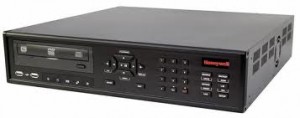
CCTV the big Squeeze!
CCTV installers have found it tough over the last couple of years. The
reason of course has been the recession and the lack of spending on new
equipment as a result. But is this the full storey? Careful analysis is
beginning to show that the security industry is being squeezed from
several directions and the question has to be asked is how can this be
addressed and how can the security industry as a whole fight back to
profitability .
CCTV sales on the internet
The first issue we all have in business is the Internet.
Gone are the days that prices were kept between the manufacturer the
distributor and the supplier. Look anywhere on line and you can find
comparative prices. Even if an end user has no idea where to look for
kit he can always find what he is looking for on EBAY and unfortunately
as with any auction site, the prices never really reflect the true cost
of actually installing CCTV. This is forcing prices and margins down. If you are a
CCTV salesman you will have heard more times than you care to remember how
cheaply your prospective customer can purchase exactly what you are
trying to sell him online for a fraction of the cost. We currently have a
culture in this country now for cheap cheap cheap and everyone has forgotten
the importance of quality ..most frustrating. The Internet also provides
heaps of information and this has led to the second problem facing the
sales within the security industry.
The second problem.
Electricians are no longer scared of CCTV. In the past their workload would have seen them happy to pass this sort of business onto the professionals, not anymore…….Any electrician worth his salt can install a simple analogue CCTV system and now they are doing so. 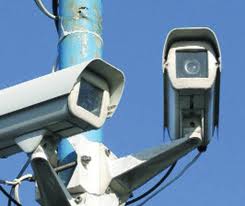 However their lives have been made easier because insurance companies , themselves struggling for clients have loosened some of the strict criteria they used to apply to CCTV installations. No longer do they insist that a NACOSS gold installer is responsible for installing and servicing CCTV equipment. BS8148 the British standard for monitored CCTV has fallen flat on its face and insurer’s have been unable to enforce their customers to take up this option, an option that would exclude anyone outside the security industry carrying out the installation.
CCTV monitoring at home
In addition to this, customers seem happy to monitor CCTV systems themselves bypassing the
need for affiliated central stations, add to this the fact that we have seen a
huge shift to self insuring, some people seem to have worked out that
their losses incurred during a break-in are less than the combined cost
of CCTV cameras and insurance.
IP CCTV.
All this is bad , but it gets worse. The security industry manufacturers have made a seismic shift into the world of IP CCTV. In theory a fantastic opportunity to upgrade customers from
analogue to IP and at the same time dramatically increase quality,
functionality and ease the grunt of the installation. This move has
however opened up the market place to a whole new breed of camera
installer. Telecoms and IT integrators have suddenly seen the light. A
discipline that held no interest for them previously has suddenly become
easy, in addition they are always on the spot to include security at the
new build point and offer this service when upgrading telephone exchanges or
installing a new cat 5 infrastructure. Building firms are now even
starting their own divisions dedicated to CCTV and security. Integrated
security is also now common and the whole job of installation is now eased by IP Access control that can fit seamlessly together on the network so no security company is required.
The big fight back!
So how can the security industry fight back? Well they need to look
towards their existing clientele for starters. Treat them like gold dust
and keep them informed of new developments involving IP, HD and
megapixel camera solutions. We need to up the level of service that we
provide. The one thing that cannot be offered by a sparky and even many of
the big IT integrators is the sort of response required when a CCTV
security system goes wrong . This is the trump card and should be used
time and time again.
Cost of a break in?
In order to address the insurance issues we talked
about earlier, prospective customers need to be told what the real cost
of a break-in can mean. Disruption of business, lost clients
embarrassment and cash flow issues. The most important point though is
that we from the security industry know about security, far more than
any builder , electrician, IT integrator or end user and we must get this
point across. As long as we train our engineers properly, inform our
sales staff and price to compete then there is plenty of scope for
expansion in the future….once of course this recession is finally over
!!!