“PTZ cameras are too dear, I will have have statics”
makes sense, but don’t moan that your static camera looking at 100m x 100m ‘has no detail’ – laws of physics says it can’t if it isn’t able to move or zoom, don’t try and defy those laws!
“PTZ cameras are too dear, I will have have statics”
makes sense, but don’t moan that your static camera looking at 100m x 100m ‘has no detail’ – laws of physics says it can’t if it isn’t able to move or zoom, don’t try and defy those laws!
An intruder alarm is just an intruder alarm isn’t it? Well yes but what if you are a facility manager responsible for intruder alarms across the country?
You will be fed up of trying to coordinate lots of different invoices from lots of different companies.You will be fed up with trying to keep track of different faults and organizing service calls.
There is a way to sort this out and that is to standardize and use IP to link all your intruder alarms together.
PTZ dome cameras need to sort their act out if they want to survive
they all have their own languages, they all have their own controllers and they get very grumpy if you try to force them onto something else
PTZ manufacturers, make your kit have a common language – you’ll sell more……..there’s a lot of existing kit out there looking for upgrades
External security has been on the rise for the last 25 years. A discipline that was previously only seen in high security and military installations is now common place. Used in garages, compounds, garden centres, quarries and so on,everyone wants to know before an intruder can do any damage.
So what is the best detection device? Well, a mixture of different technologies can work. PIRs external fixed beams and cameras using enhanced analytics to name a few. Geoquip guard wire and other external listening devices are also effective against the intruders.
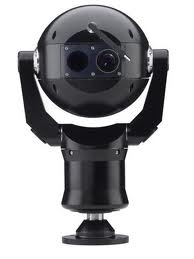
We however believe that the ultimate solution is now becoming an affordable option .Thermal CCTV is pretty much full proof technology one that gives an image that can be used day and night even in total darkness. It cant be defeated by fog and intelligent analytics integrated with the thermal CCTV camera mean nothing is missed.
Cost of course is a factor but one thermal camera can realistically see up to 750 metres meaning it far out performs even the best active beams on the market and the installation time and cabling costs are drastically reduced.
Thermal CCTV will become as common as PIRs are today over the next ten to fifteen years and as the prices become more affordable it will change the way we install external security and protect our perimeters.
The poor old intruder has finally met his match.
Hybrid CCTV.
CCTV suppliers, manufacturers and installers have endured a barren couple of years. We have seen many good companies go to the wall and some bad ones as well. Add to this the strain that wholesalers have suffered, lots of them have been taken for tens if not hundreds of thousands of pounds as their customers (the installers) go bust.
Its also the end user that has suffered. Pressured into taking the cheapest quote due to the economic climate they have seen CCTV systems installed to poor standards and then find that within a few months the installer has gone to the wall leaving them with a very unpleasant legacy and few choices but to find another installer to take on the servicing of the security equipment.
This year however we hope to see a change for the better and a situation that will benefit all. We are at a cross roads for the industry and everyone is wondering how the next two to three years will develop. Analogue CCTV systems are still by far the dominant surveillance system out there but IP CCTV is making a relentless march and inevitably this type of system will takeover. However we believe it going to be Hybrid CCTV that is going to dominate proceedings now and in the short to medium term. CCTV manufacturers are also finding that the shift away from analogue is taking much longer than expected and are seriously having to re-think their strategies.
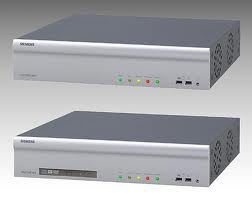
The thing is Hybrid CCTV solutions offer end users the flexibility they need. Many want to move to IP CCTV but have little or no budget to do so. However the thought of HD and megapixel IP cameras is whetting their appetite for change and Hybrid CCTV solutions mean they can combine the best of both worlds.
We predict that some very big players will start to produce 32 way units that will accommodate a 16/16 split to enable them to start selling their HD cameras, slowly at first but once the benefits are realized by the end user we expect upgrades to start taking off.
So there is hope, the weak have failed and the natural process that is the survival of the fittest has left the CCTV industry in good shape and ready to fight off competition from IT integrators. So with good installers and great new technology we are sure that Hybrid CCTV will help to fuel a strong recovery over the next 5 years.